
Why Medicinal Mushrooms Deserve a Place in Every Midlife Woman's Wellness Journey
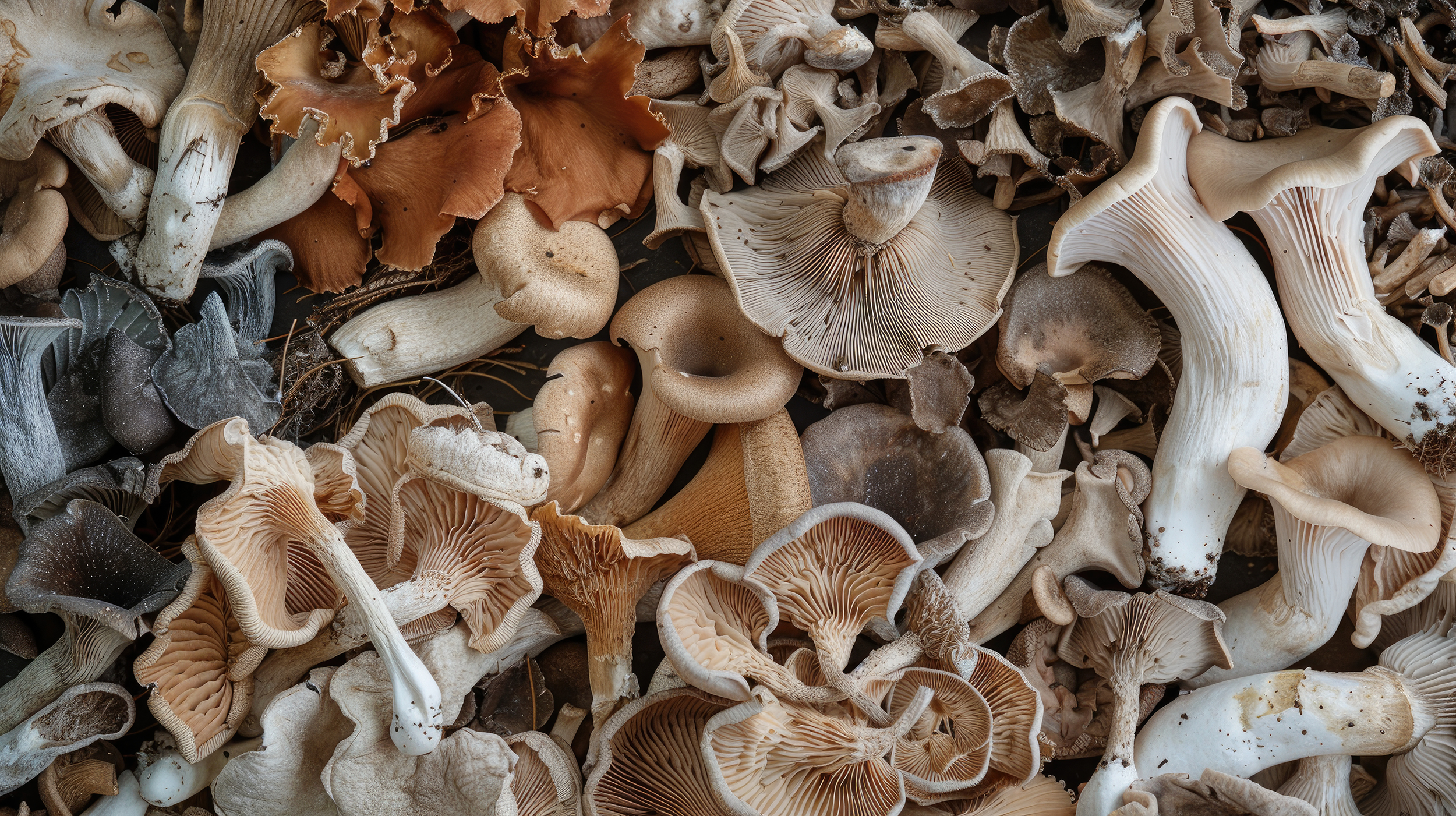
A while back, I learned that the town of Kennett Square, Pennsylvania, home to the famous Longwood Gardens, was the self-proclaimed Mushroom Capital of the World. As a die-hard mushroom lover, I wanted to check this town out and learn more. So, a few weeks ago, I took a drive down to see for myself. A quaint little town nestled in the Brandywine Valley, Kennett Square is a shrine to these velvety delicacies.
While Kennett Square only grows about 1% of the world’s mushroom supply, it does grow about 50% of the mushroom stock in the United States, and, if you include the areas surrounding the town, that number jumps to over 60%. That honor is not lost on the town’s residents. Mushroom garden ornaments can be found everywhere, even at the public library, as can mushroom-themed products, from mushroom tea to mushroom stools, mushroom-decorated cards, dish towels, aprons, tote bags, socks, and Christmas ornaments. Local restaurants and cafés honor the hometown crop on their menus, and each year, the town celebrates this cash crop with its Fall mushroom festival and the December 31st “mushroom drop”, when a giant, light-encrusted, 700-pound stainless steel "Sparkling Mushroom” is lowered in the center of town to ring in the New Year. Even the names of some of the stores pay homage to the mighty fungi: Forage Books, The Mushroom Cap, and Portobello’s of Kennett Square.

Local bookstore honoring its hometown crop, Kennett Square, PA
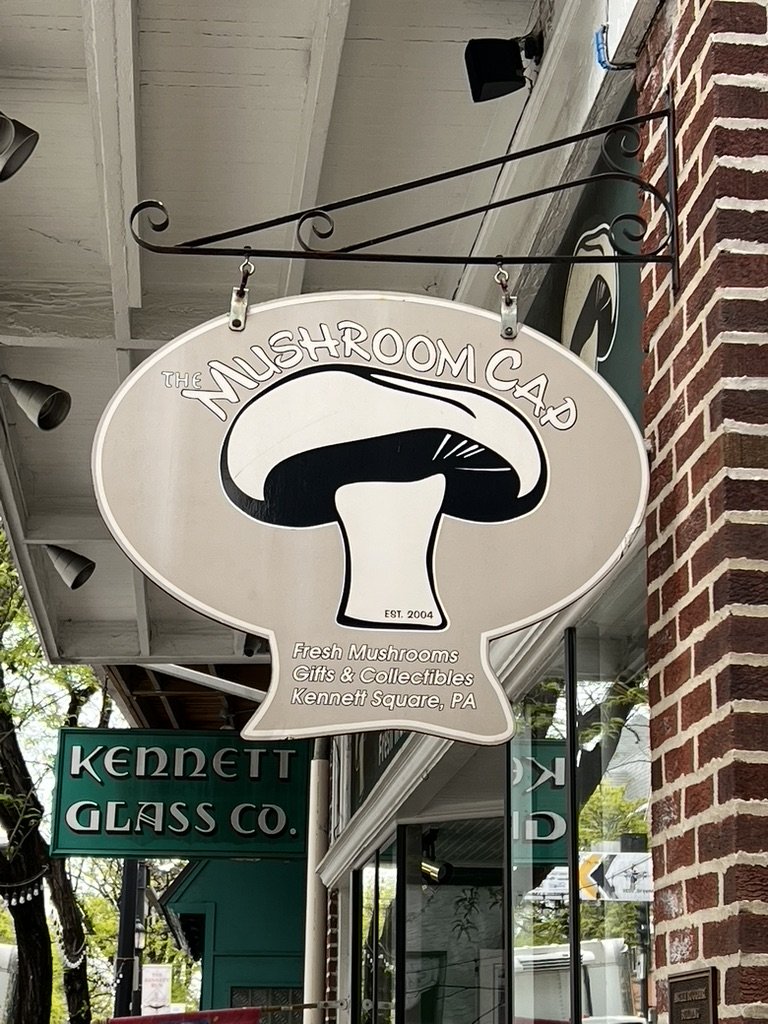
Mushroom-themed gift shop & museum, Kennett Square, PA
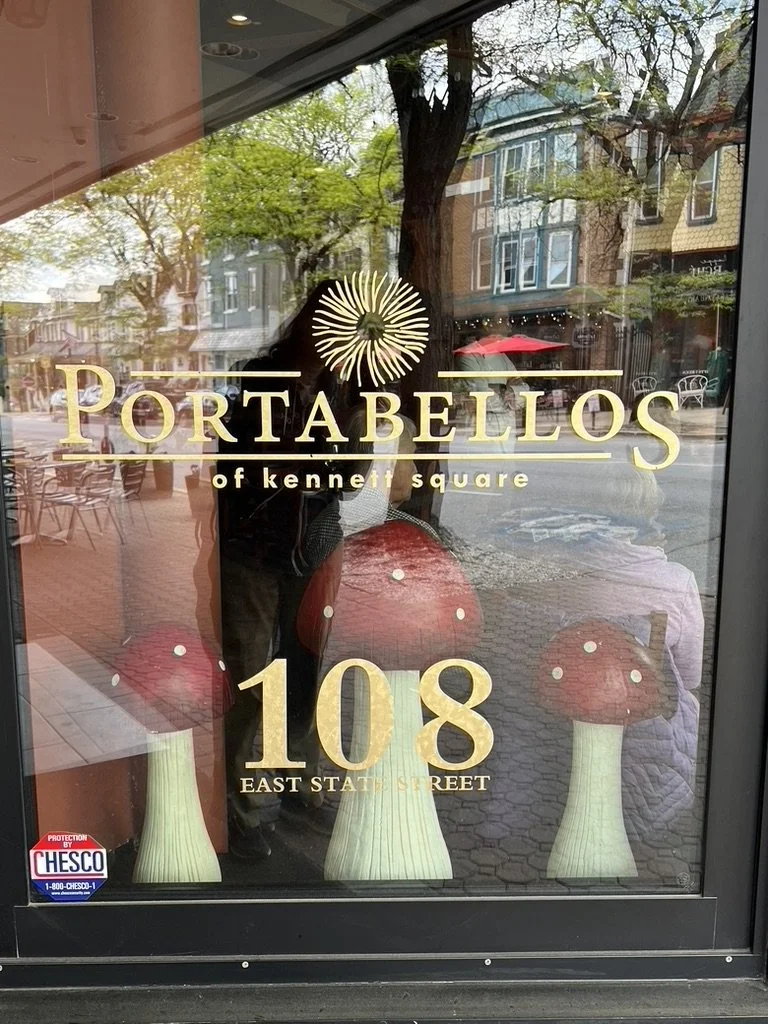
A very mushroom-centric Italian restaurant, Kennett Square, PA
But no trip to Kennett Square is complete without stopping at The Woodlands at Phillips Mushroom Farm, an upscale and beautiful mushroom-themed gift shop and museum, where freshly grown mushrooms can be purchased by the pound. Anyone who has ever bought mushrooms at stores like Whole Foods or Costco is probably familiar with Phillips Mushroom Farm, a 90-year-old family-run farm that is not only a leading mushroom supplier, but the largest producer of specialty mushrooms in the United States. The museum at The Woodlands gives a nice introduction to mushroom harvesting and the health benefits of each of the mushrooms Phillips produces. It’s a truly incredible operation. And of course, no trip to the Woodlands would be complete without visiting their charming gift shop.
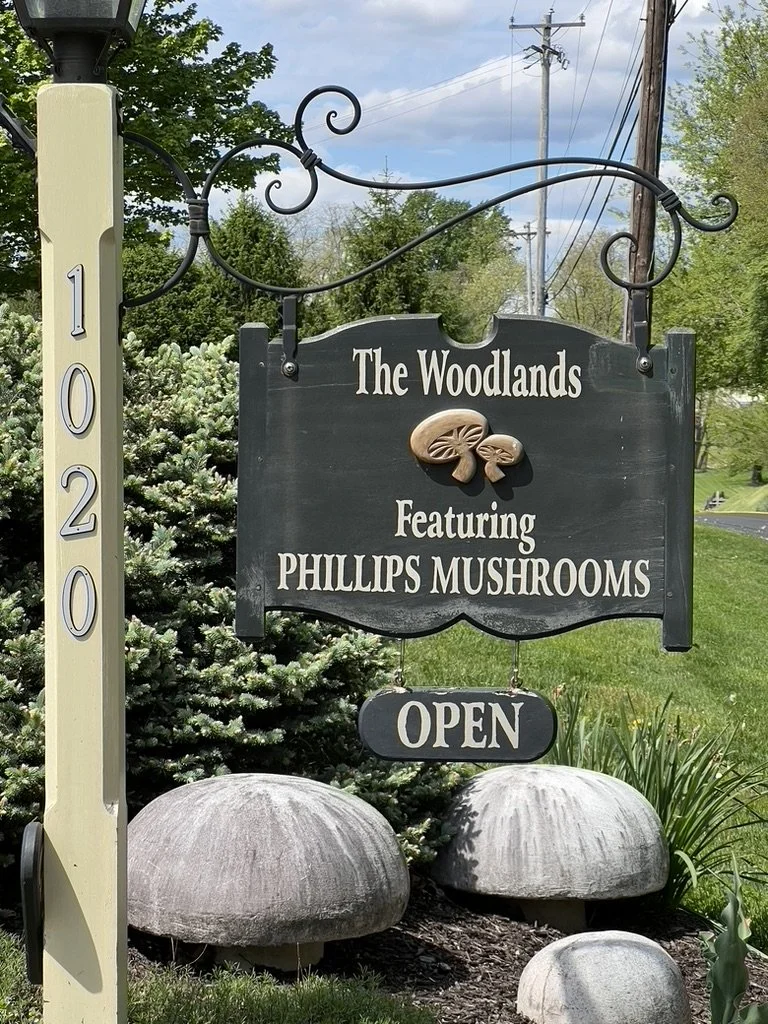
Entrance to The Woodlands at Phillips Mushroom Farm, Kennett Square, PA
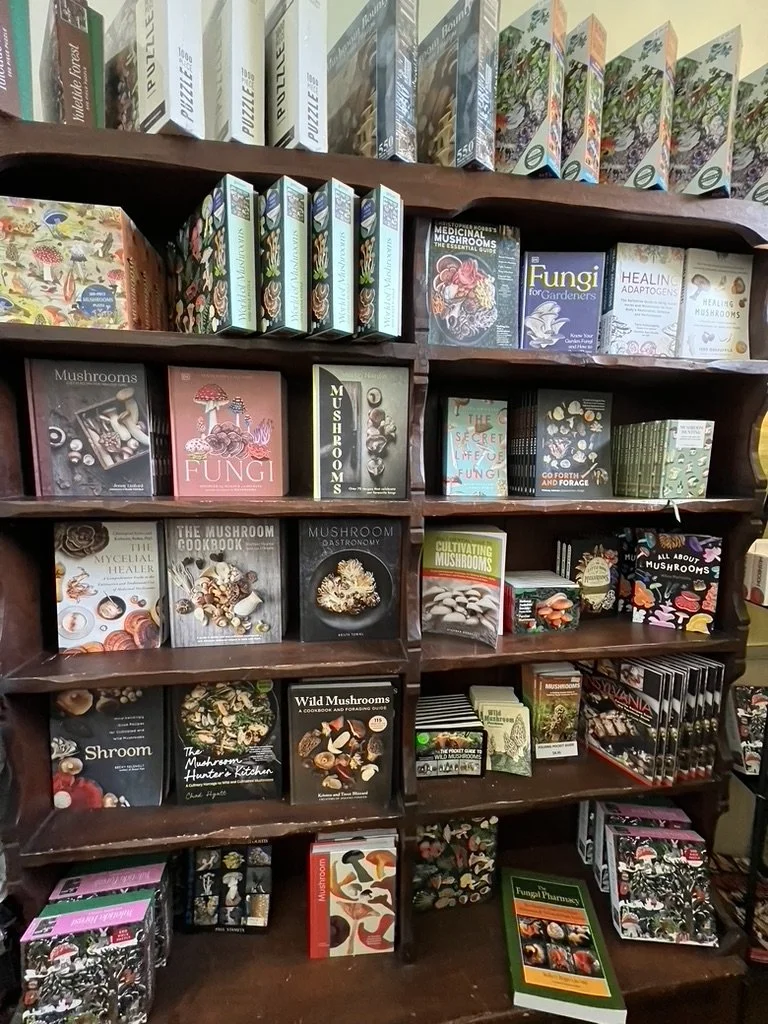
Mushroom books & puzzles in the gift shop, Kennett Square, PA
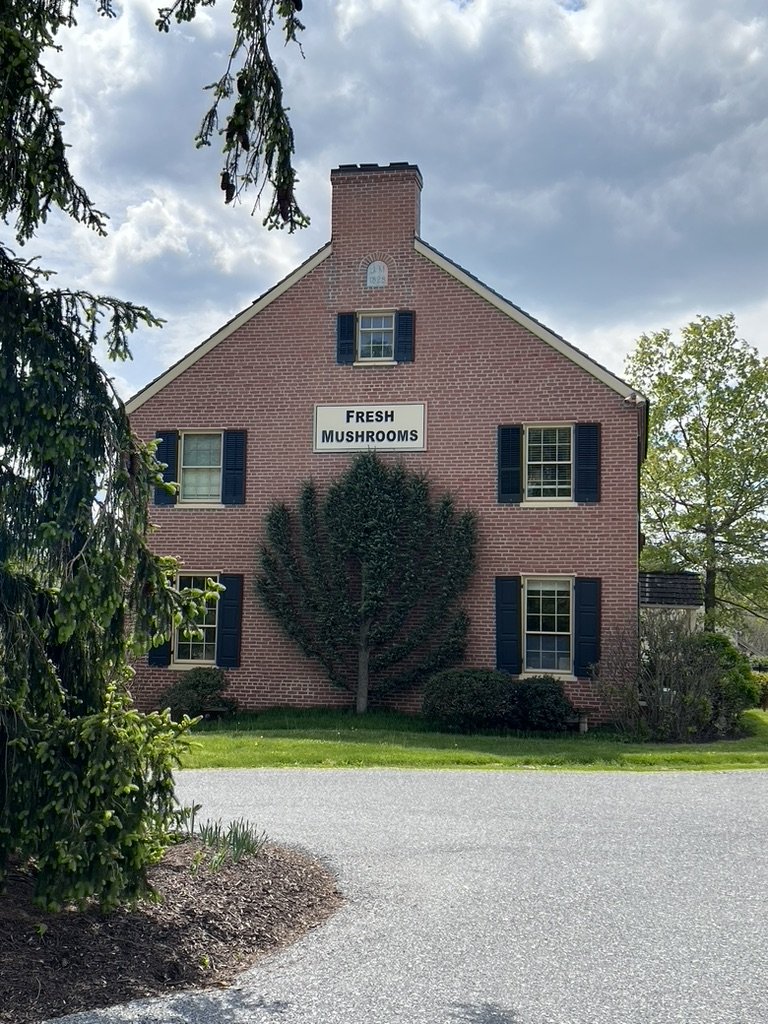
The gift shop at The Woodlands at Phillips Mushroom Farm, Kennett Square, PA
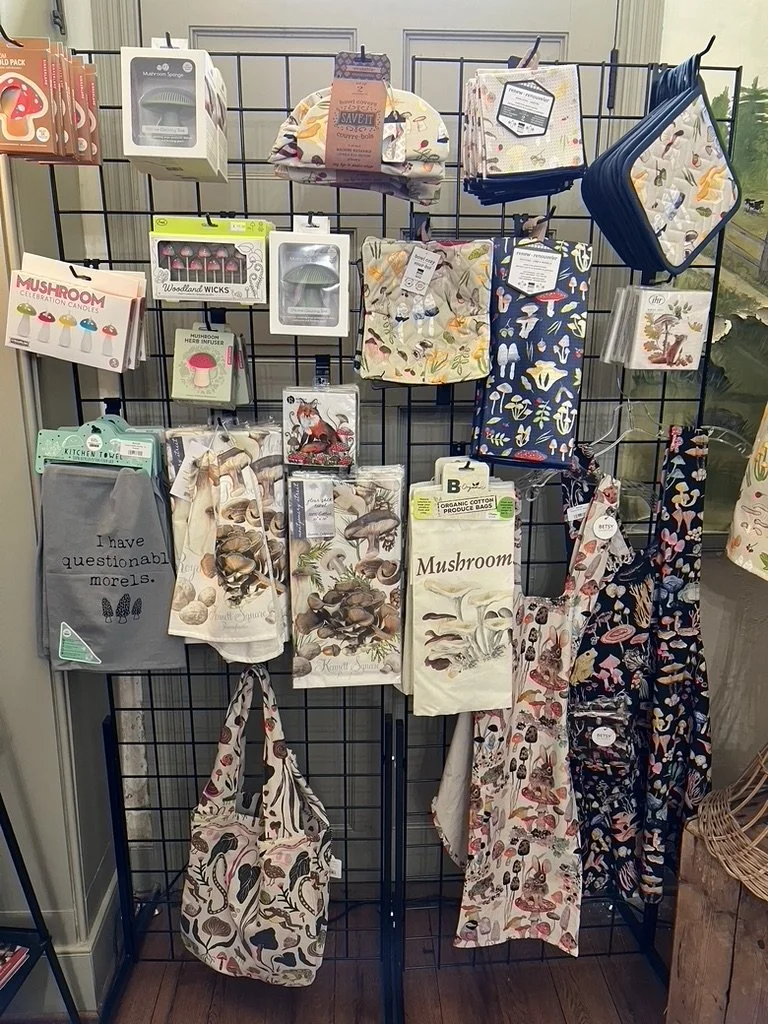
Kitchen goods display in the gift shop, Kennett Square, PA
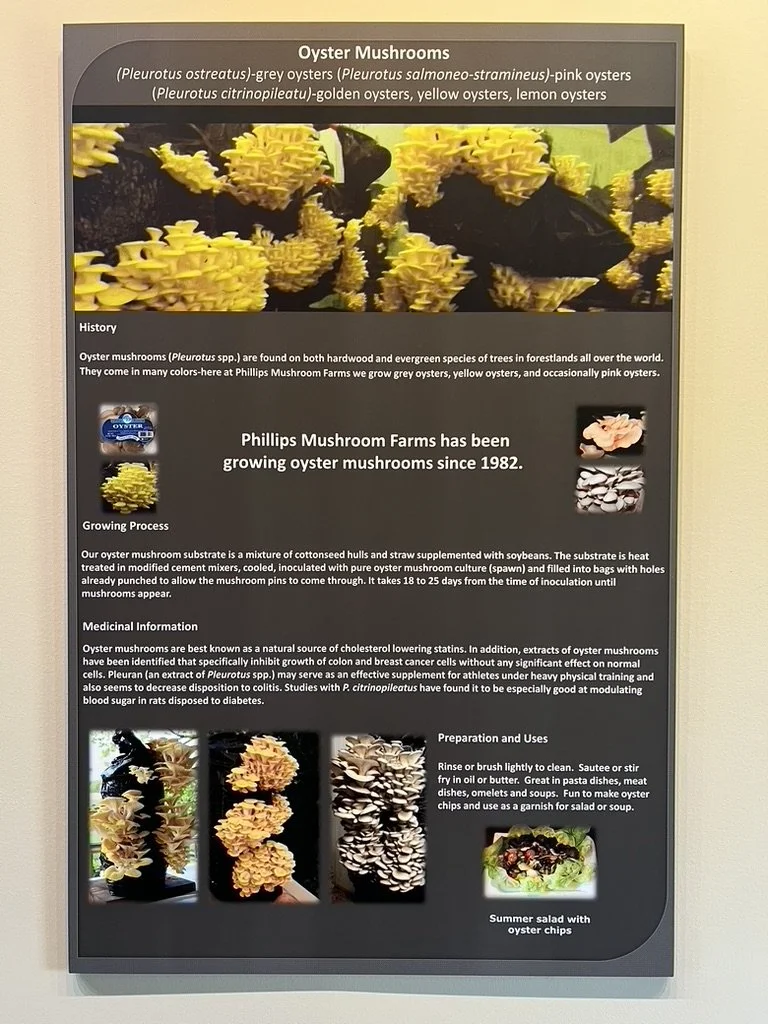
Mushroom Museum display, The Woodlands at Phillips Mushroom Farm, Kennett Square, PA

Local mushroom humor at the gift shop, Kennett Square, PA
As the Phillips exhibit so wonderfully demonstrated, mushrooms occupy a fascinating space between food and medicine. I’ve known about the medicinal value of mushrooms for years and have been reaping the benefits by enjoying them in my diet and augmenting that diet with supplements. But mushrooms are more than just a health food; they are medicinal powerhouses packed in a delicious wrapper. The fact that there seems to be a mushroom associated with nearly every major midlife health concern indicates that, collectively, mushrooms function less like a single superfood and more like a broad midlife women’s pharmacopoeia. While the research on medicinal mushrooms is promising, it is still emerging, with much of it coming from laboratory and animal studies, although some human studies have shown encouraging results.
1. Brain Fog, Cognitive Changes, and Neuroprotection
Cognitive decline is one of the most feared aspects of aging, and women are disproportionately at risk, not just because they live longer, but because the hormonal shifts of menopause directly affect brain health. Dietary supplementation with lion's mane, reishi, and cordyceps mushrooms may offer distinct neuroprotective benefits for Alzheimer's prevention and other neurodegenerative diseases.
Alzheimer's Disease
Alzheimer's disease disproportionately affects women, who, as I mentioned in my earlier article on women and Alzheimer's, account for nearly two-thirds of all diagnosed cases. Lion's mane has shown particular promise here, stimulating the production of proteins that act like fertilizer for the brain, encouraging the growth of new brain cells, and helping protect the hippocampus, the brain's memory center, from shrinkage.
Reishi, called “the mushroom of immortality”, contributes to brain health by reducing inflammation and oxidative stress, which may help prevent the formation of the plaques and tangles that are hallmarks of the disease. And cordyceps rounds out the trio by supporting overall brain energy metabolism and immunity, helping neurons function more efficiently. While research is still in the early stages, these three mushrooms together make a compelling case for a place in any midlife woman's supplement cabinet.
Parkinson’s Disease
Parkinson’s destroys the brain cells that produce dopamine, the chemical that regulates the body’s movement. Lion's mane acts like a shield, protecting these specific dopamine-producing cells from dying off, while cordyceps successfully keeps dopamine levels from crashing. Both cordyceps and reishi help with inflammation, the former by blocking it and the latter by reducing the severe brain inflammation that causes the disease to get worse over time.
Diabetic Neuropathy
High blood sugar can damage tiny blood vessels, starving peripheral nerves of oxygen and causing burning pain or numbness, usually in the hands and feet. By helping to keep blood sugar levels stable, cordyceps can improve blood circulation to the extremities. Lion's mane lowers the pain signals sent by the damaged nerves, helping the nerve endings repair themselves.
2. Cardiovascular and Metabolic Health
Cardiovascular disease is the leading cause of death among women in the United States, yet it remains chronically underdiagnosed and undertreated in women, whose symptoms often present differently than men's. Mushrooms could be called the statins of the natural world. From blocking and lowering cholesterol to protecting arteries and lowering blood pressure, there are a wide variety of mushrooms that support cardiovascular health.
Shiitake mushrooms, the most researched of all the mushrooms for their medicinal benefits, are considered the gold standard for lipid control. While studies have been done mostly on rats, the potential for humans is quite promising. Shiitakes contain a compound called eritadenine, which alters how the liver processes fats, accelerating the removal of cholesterol from the bloodstream and leading to lower LDL ("bad") cholesterol. Shiitakes also contain the antioxidant ergothioneine, which can reduce arterial plaque and decrease the risk of cardiovascular disease. Animal studies have shown mushrooms containing ergothioneine, which also include maitake, oyster, and king oyster, known as royal trumpet, can lower both total and LDL cholesterol.
Clinical studies have also shown that oyster mushrooms are beneficial for cardiometabolic health. They help lower fasting blood glucose levels and improve how muscle tissue absorbs sugar. Combined with the fact that they are rich in beta-glucans, a form of soluble fiber, oyster mushrooms act as a natural statin by lowering triglycerides.
White button, cremini, and portobello, which are all actually the same species of mushroom, just at different stages of maturity, are the most potassium-rich of all mushrooms. Since potassium relaxes blood vessel walls, consuming this family of mushrooms has been linked to blood pressure management.
The anti-inflammatory nature of reishi mushrooms has been found to decrease the risk of atherosclerosis, heart disease, and overall cardiovascular health by helping to lower bad cholesterol, increase good cholesterol, prevent arterial plaque buildup, and improve blood vessel function.
Cordyceps contains compounds that can act like a mild, natural blood thinner by widening blood vessels, leading to optimized blood flow, lowered blood pressure, and reduced stress on the heart. Maitake mushrooms, also called “Hen of the Woods,” because they look like the tail feathers of a hen, contain a compound that enhances insulin sensitivity and, because they are dense, highly filling, and low-calorie, can assist with weight management.
3. Immune Resilience, Inflammation, and Healthy Aging
The immune system doesn't just fight colds, it regulates inflammation, protects against cancer, maintains gut health, and slows the aging process. For midlife women, whose immune function shifts significantly during and after menopause, this is one of the most consequential areas of health. Fortunately, it is also where medicinal mushrooms shine brightest.
Immunity and Inflammation
Turkey tail, another extensively researched medicinal mushroom, contains two potent immune-boosting compounds that activate and strengthen the body's natural immune defenses. Chaga, sometimes called the king of medicinal mushrooms, is one of the most antioxidant-rich foods on the planet, neutralizing the free radicals that drive chronic inflammation and accelerated aging. Shiitake contributes its own immune-boosting compound, lentinan, which has been shown to enhance the activity of natural killer cells, the immune system's frontline defenders against infection and abnormal cell growth.
Gut Health and Colon Cancer
A healthy gut is the foundation of a healthy immune system, and mushrooms are among nature's finest prebiotics. Lion's mane promotes the growth of beneficial gut bacteria while reducing intestinal inflammation. It has shown promise as a protection against colon cancer by slowing the growth of colorectal cancer cells. The rich beta-glucan content of maitake feeds healthy gut bacteria while helping regulate immune response throughout the body. And compounds in chaga were found to suppress colon cancer cells and inhibit colitis-induced colon cancer. Extracts of oyster mushrooms have also been found to inhibit the growth of colon and breast cancer cells, without negatively impacting normal cells.
Breast Cancer
Mushrooms contain bioactive compounds that have anti-cancer properties. Although the research into the efficacy of mushrooms on breast cancer is particularly encouraging, it is still emerging. Turkey tail, which has received significant attention, is actually used alongside conventional cancer treatment in Japan and has been studied by the NIH. Laboratory studies have shown that the D-fraction extract in maitake has the ability to induce apoptosis (programmed cell death) in breast cancer cells. While neither mushroom is a treatment or a cure, incorporating one or both of them into a cancer-protective diet is a conversation worth having with your healthcare provider, and is something I have been doing since my mother was first diagnosed with the disease over 10 years ago.
4. Stress, Sleep, Energy, and Emotional Well-Being
Few aspects of midlife feel more disruptive than the convergence of poor sleep, persistent fatigue, and emotional depletion. For women navigating the hormonal shifts of perimenopause and menopause, these challenges are not incidental; they are deeply interconnected and compound each other. Here, too, medicinal mushrooms offer a targeted response.
Anxiety and Emotional Well-Being
Research suggests that lion's mane may support emotional health by promoting nerve growth factor, which helps regulate the neurotransmitters serotonin and dopamine that stabilize mood. In a study with women experiencing menopause-related symptoms, those who consumed lion's mane for four weeks reported meaningful reductions in anxiety and depression. In another study, reishi, long valued in traditional medicine as a calming adaptogen, was shown to quiet the overactive mind, the hallmark of midlife anxiety, by supporting the nervous system's stress response.
Fatigue and Energy
Cordyceps, the most researched mushroom for energy and stamina, improves the body's use of oxygen and enhances energy production at the cellular level. It helps support the adrenal glands and balance stress-induced fatigue without overstimulation. Supplementation with cordyceps has been shown to improve exercise performance and reduce fatigue in healthy adults, a finding with clear relevance for midlife women managing energy depletion.
Sleep
Reishi is the standout mushroom for sleep, with research suggesting it may function similarly to a mild benzodiazepine. It works by reducing the time it takes to fall asleep and increasing total sleep time, including non-REM sleep, while also reducing anxious behavior. A randomized, double-blind, placebo-controlled study of 132 adults with fatigue and poor rest found that a standardized reishi extract significantly reduced fatigue and improved overall sense of well-being over eight weeks. Another study combining reishi, cordyceps, and lion's mane found improvements in mood, sleep quality, and cortisol levels.
5. Bone Health
Bone loss is one of the most serious health risks facing women after menopause. Osteoporosis, a disease that decreases bone mineral density and mass, is called the silent disease for good reason. By the time most women know they have it, a fracture has already occurred. As estrogen levels drop, bone density can decline rapidly, increasing the risk of osteoporosis and fracture. Here, too, mushrooms have something meaningful to contribute.
Maitake mushrooms are among the richest natural food sources of vitamin D, which is essential for calcium absorption and bone density maintenance. A serving of UV-exposed maitake can deliver up to 1,000 IU of vitamin D, more than the recommended daily intake for most adults. Studies on royal trumpet mushrooms suggest they may offer additional protection against the bone loss associated with estrogen deficiency, making them particularly relevant for postmenopausal women.
But perhaps the most fascinating aspect of mushrooms and bone health is the UV light connection. Like humans, mushrooms synthesize vitamin D when exposed to ultraviolet light. Placing mushrooms gill-side up in direct sunlight for as little as 15 to 30 minutes can dramatically increase their vitamin D content. It’s a simple, free, and genuinely remarkable nutritional hack that your grocery store mushrooms can perform on your kitchen windowsill.
Today, most of these medicinal marvels are not rare or exotic but are easily available at your local grocery store. And here's a bonus: mushrooms are one of the few non-animal foods that contain all nine essential amino acids, making them a complete protein source. While the amount of protein per serving is modest, the quality is not, which is particularly valuable for midlife women as muscle mass naturally declines with age. Some can be sautéed into soups and stir-fries, added to teas, or incorporated into everyday meals. Those that are less commonly eaten are available as powders, tinctures, and supplements. Either way, mushrooms are not only healthy but delicious, and modern medicine is only just beginning to understand the life-altering benefits of this simple fungus. And if you are ever around the Brandywine Valley in Pennsylvania, check out the mushroom capital of the world and pick up a bag of fresh mushrooms.
Are you looking to make sustainable lifestyle changes or interested in hosting an expressive arts workshop at your company or organization? If so, book a 15-minute discovery call to learn more. And for more articles on midlife health and wellness, be sure to subscribe to my newsletter.
The information in this article is intended for educational purposes only and is not a substitute for medical advice. Nothing in this article is intended to diagnose, treat, prevent, or cure any disease. Always consult with your healthcare provider before making any dietary, lifestyle, or supplement changes, and do not forego, delay, or disregard medical advice based on the content shared in this article. Please consider your personal situation and individual needs and do your own research.
SOURCES
Phillips Mushroom Farm Museum - The Woodlands at Phillips Mushroom Farm, Kennett Square, PA. Personal visit, May 2026.
Growing the Varieties: Mushrooms are one of the most unique grown produce - The Mushroom Council
Agaricus bisporus- Wikipedia
Are Mushrooms Healthy? Here’s What Experts Say - Time Magazine
Baby Bella Mushrooms - Monterey Mushrooms
The PA Mushroom Industry - American Mushroom Institute
Kennett Square, Pennsylvania - Wikipedia
Exploring Mushrooms that Boost Cognition - Millennium Memory Care
9 Health Benefits of Lion’s Mane Mushroom (Plus Side Effects) - Healthline
A Systematic Review of in-vivo Studies on Dietary Mushroom Supplementation for Cognitive Impairment - Current Developments in Nutrition
Therapeutic potential of the medicinal mushroom Ganoderma lucidum against Alzheimer’s disease - Biomedicine and Pharmacotherapy
Mushrooms and Alzheimer’s – Complementary Cognitive Support - Mind Lab Pro
Investigating the Neuroprotective Potential of Mushroom Extracts in Parkinson’s Disease In Vitro Models- International Parkinson and Movement Disorder Society
Dopamine Deficiency - Cleveland Clinic
Neurotrophic and Neuroprotective Effects of Hericium erinaceus - International Journal of Molecular Sciences
Women & CVD - World Heart Federation
Cordyceps Is a Killer Fungi With Potential Health Benefits- Cleveland Clinic
Diets Containing Shiitake Mushroom Reduce Serum Lipids and Serum Lipophilic Antioxidant Capacity in Rats - The Journal of Nutrition
Why Shiitake Mushrooms are Good for You - Healthline
Systematic Review Indicates the Intake of Oyster Mushrooms May Improve Cardiometabolic Health - American Botanical Council
3 Reasons to Eat More Mushrooms for Heart Health - Verywell Health
Maitake Mushroom: Profiling the Health Benefits of “Hen of the Woods” - Real Mushrooms (blog)
The Best Functional Mushrooms for Heart Health: Keeping Your Heart in Tip-Top Shape for Valentine’s - Plant People (blog)
Turkey Tail Mushroom Benefits: What 40+ Clinical Trials Actually Show - Advanced MycoTech
Maitake (D fraction) mushroom extract induces apoptosis in breast cancer cells by BAK-1 gene activation- Journal of Medicinal Food
Is Mushroom Coffee Even Better than Regular Coffee? - Dr. Axe
Lion’s Mane “the Smart Mushroom” for Menopause- Menopause Natural Solutions (blog)
Lion’s Mane for Stress and Sleep: Natural Support for a Calm Mind - Love Life Supplements (blog)
How Reishi Can Improve Your Sleep Quality According to Science - Longevity Botanicals (blog)
How Reishi Mushrooms Can Help You De-Stress and Relax - Fungies (blog)
Maitake and its Activity Against Osteoporosis - Mógū Mushrooms
Maitake Rich in Vitamin D - Nutritional Outlook
King trumpet mushroom: benefits and side effects- Food Thesis
Vitamin D in Mushroom - Beltsville Human Nutrition Research Center
Nutritional Quality and Biological Application of Mushroom Protein as a Novel Protein Alternative - Current Nutrition Reports