
Why I Switched to Sourdough Bread and Why it Matters for Midlife Women
It all comes down to fermentation
I’ve been wanting to try my hand at breadmaking for quite some time. Years ago, a colleague offered to share her 100-year old starter, handed down to her from her grandmother. I was tempted but never took her up on it.
A few weeks ago, though, I finally took on the challenge. For the last year or so, I've intentionally been eating mostly sourdough bread, so when I saw an advertisement for a local sourdough breadmaking class, I signed up immediately.
I’ll admit, I probably left my first loaf in the oven a little too long. The crust was a bit darker than I intended, making it look more like a football than a loaf of bread, but it was still chewy, tangy, and absolutely delicious.

Nothing beats homemade bread, and one of the great things about sourdough is that it doesn’t require a bread maker. It’s also a healthier option than conventional bread, especially during midlife and throughout the menopause transition.
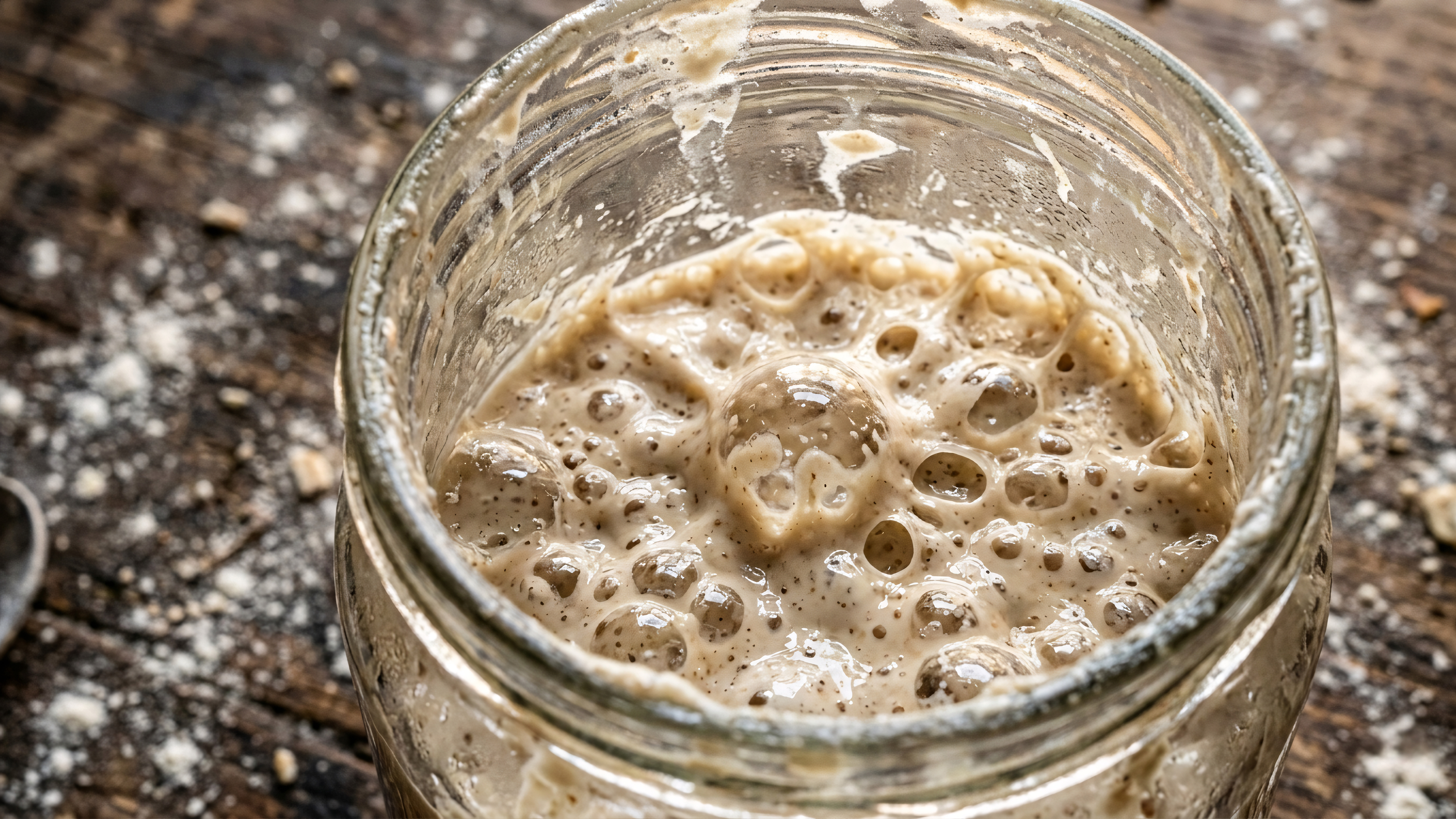
But what exactly is sourdough bread, and how is it different from other breads? Most breads use baker’s yeast to speed up the fermentation process, but sourdough is fermented slowly using a live culture, called a “starter” which is made up of wild yeast and lactic acid bacteria.
This slow fermentation process begins to break down the gluten proteins and phytic acid in wheat, rye, and other gluten-containing grains, contributing to a whole range of potential health benefits. While the gluten content is reduced and the gluten protein altered, it is not eliminated, so traditional sourdough is not safe for those with Celiac disease and may not be tolerated by those with gluten intolerance or sensitivity.
For me, the switch to sourdough began when I learned it could help those with osteoarthritis and other low-grade inflammatory conditions. And for someone like me, who does not have Celiac disease, the difference has been profound. My arthritis symptoms have improved, and any time I consume too many conventional wheat products, the pain and swelling in my joints noticeably increase. But joint health is only part of this story.
Health Benefits of Sourdough Bread
Gut health support
While sourdough is a fermented food, the beneficial bacteria do not survive the baking process and do not act as a probiotic. However, the fermentation process produces enzymes which act like prebiotics, feeding the good bacteria in the gut, which, along with fiber, support the gut’s microbiome and promote gut health.
Easier on digestion
Sourdough also reduces FODMAP carbohydrates, making it much easier to digest than conventional bread. Besides non-celiac gluten sensitivity, sourdough bread has been shown to help with bloating and digestive disorders such as irritable bowel syndrome and mild acid reflux.
Lower glycemic index
Due to its longer fermentation process, sourdough bread contains more resistant starch, that is, starch which is harder to break down into sugar and enter the bloodstream. Because it takes longer to digest, the starch goes through the small intestine mostly intact, acting more like fiber when it reaches the large intestine. This slower digestion is why sourdough has a lower glycemic index than conventional bread, including whole wheat. Studies suggest that sourdough may help regulate blood sugar levels and support metabolic health.
Better mineral absorption
The fermentation process produces lactic acid, which lowers the pH of the dough, reducing the “anti-nutrient” phytic acid. Since phytic acid is known to bind to such minerals as iron, zinc, magnesium, and calcium, making them harder to absorb, sourdough can help increase the bioavailability of these essential minerals.
Satiety & weight management
Because sourdough takes longer to digest, it not only helps prevent blood sugar spikes but keeps you feeling fuller, longer, as the rate of gastric emptying is slowed down. The benefits of increased resistant starch, a lower glycemic index, and better glucose regulation might help to reduce caloric intake and support better weight management.
Fewer additives
While conventional store-bought bread usually contains a long list of ingredients, many of which come from a laboratory, traditional sourdough contains only three ingredients: flour, water, and salt. The longer fermentation process and acidity of sourdough acts as a natural preservative, leavening agent, and flavor enhancer, eliminating the need for the laundry list of additives, such as artificial preservatives, chemical conditioners, emulsifiers, oils, sweeteners or flavoring agents, which are used to speed up the production process, extend shelf life, as well as add flavor and texture, in most commercial breads. Instead of using faster-acting baker’s yeast to rise, sourdough gets its volume from its starter.
Potential mood & brain support
Besides the benefits of a mindful practice like folding and kneading dough, which can help ease stress and anxiety, sourdough supports mood and brain health by fostering a healthy gut-brain axis through the production of the mood-regulator GABA. Its prebiotic and anti-inflammatory properties also help to produce neurotransmitters like serotonin, often referred to as the “happy hormone.” And all the other health benefits mentioned earlier, such as a balanced gut microbiome, healthy blood sugar levels, and enhanced mineral absorption, can help improve mood and brain function.
Anti-inflammatory properties
Many of sourdough’s gut health benefits can also help to reduce the body’s inflammatory markers. Because sourdough breaks down gluten proteins into smaller components which are easier to digest, inflammation associated with gluten sensitivity may be reduced. Additionally, research has found that the long fermentation process produces specific peptides that contain anti-inflammatory, antioxidant, and antihypertensive properties. This is why so many people suffering from osteoarthritis feel relief by swapping sourdough for traditionally made breads.
While white sourdough is a much healthier option than traditional white bread, I prefer getting the full benefits of the whole grain, which contains the bran and the germ. Luckily, the sourdough process works just as well with whole wheat, rye or any other whole grain, high protein flour, including gluten-free buckwheat, sorghum, brown rice or millet.
Compared to white sourdough, whole grain sourdough provides more essential vitamins and minerals and contains significantly higher amounts of prebiotic fiber, helping to slow down the digestive process even more. This means whole grain sourdough has an even lower glycemic impact on the body, providing greater support for heart health and longer-lasting satiety. And the high soluble fiber content in whole grains helps to lower cholesterol.
Let’s be honest. When you’re at a restaurant and the smell of that warm, freshly baked sourdough bread drifts past you, it’s hard to say no, whether it’s processed white bread or a whole grain version. I usually can’t. But as a daily choice, opting for whole grain sourdough can offer more of the fiber and nutrients your body needs in midlife and beyond.
For those who prefer to buy their sourdough rather than make their own, there are quite a few traditional options, both for white and whole wheat varieties. And for those who are interested in baking their own, check out the sourdough baking classes in your area. Now that I’ve made my first white flour sourdough, my next attempt will be to make one out of spelt flour, my favorite whole grain for baking. No matter what type of flour I use, though, I’m sticking with sourdough, and my joints are forever grateful.
If you’re looking to make more intentional choices about your health in midlife, whether it’s what’s on your plate or how you’re feeling in your body, I’d love to support you.
You can schedule a free discovery call to explore what working together might look like, or sign up for my newsletter for more practical, research-backed insights to support your health in midlife and beyond.
The information in this article is intended for educational purposes only and is not a substitute for medical advice. Nothing in this article is intended to diagnose, treat, prevent, or cure any disease. Always consult with your healthcare provider before making any dietary, lifestyle, or supplement changes, and do not forego, delay or disregard medical advice based on the content shared in this article. Please consider your personal situation and individual needs and do your own research.
SOURCES
1. Sourdough bread: A beginners guide – The Clever Carrot
2. Is sourdough bread healthier than regular bread – University Hospitals
3. Sourdough fermentation and gluten reduction: A biotechnological approach for gluten-related disorders – Microbiology Research
4. Why is it that I can digest sourdough bread and not commercial bread? – The Sourdough School Ltd.
5. Sourdough bread: Get familiar with this fermented food – Mayo Clinic
6. Is sourdough bread healthy? Here’s what you need to know – Hartford Hospitals
7. Unlocking the Anti-Inflammatory Potential of Sourdough: Phytochemical profile, functional investigation, and molecular docking insights into key bioactive compounds – Plant Foods for Human Nutrition
8. Can sourdough help with bloating, gut health and IBS – Good in Bread
9. Discover how sourdough nurtures your gut-brain health – Zubi Bakes
10. Best flour for gluten-free sourdough – Homesteading Family