
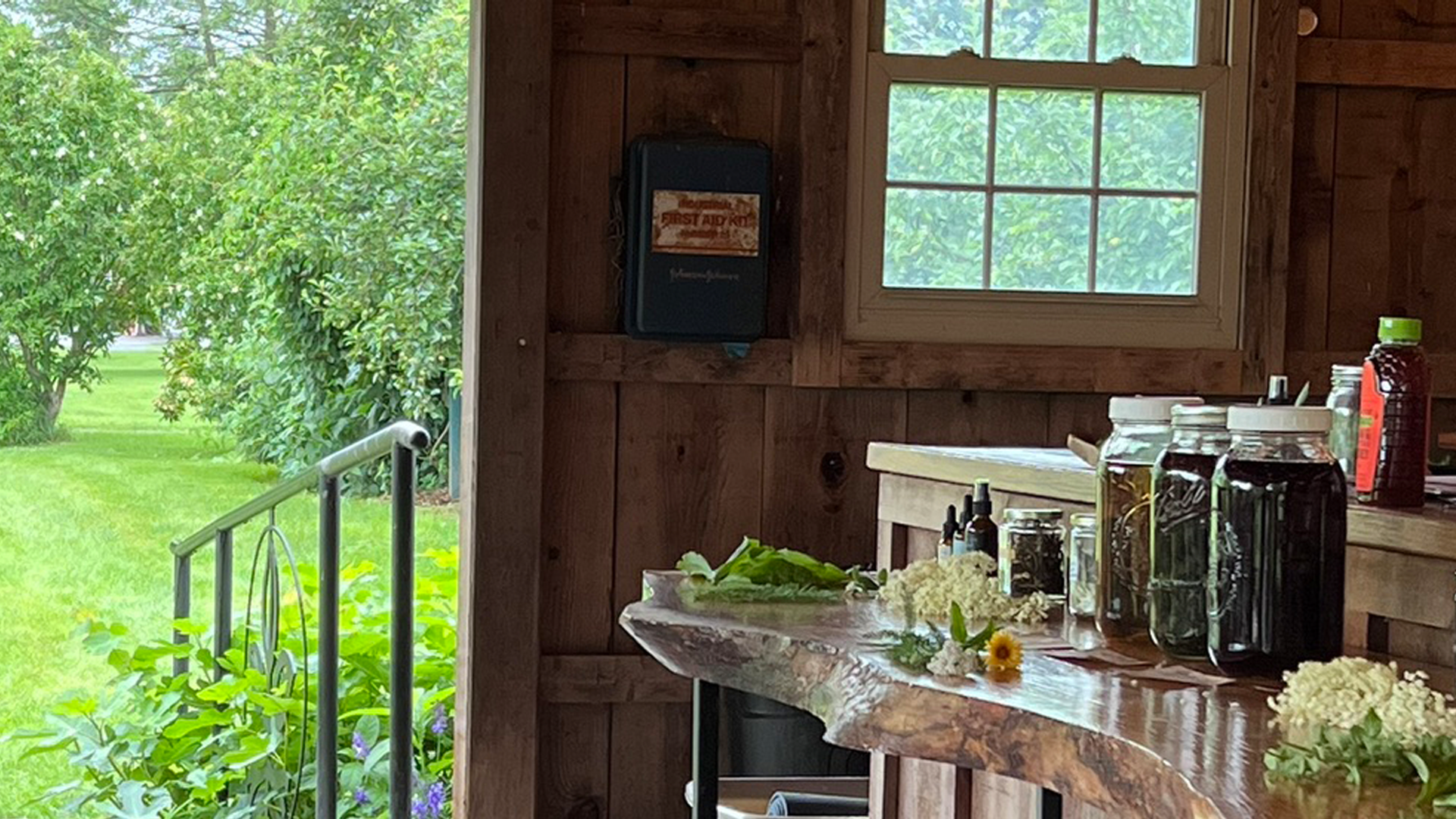
Herbalism Workshop, Rodale Institute
Last month, I traveled to Kutztown, Pennsylvania, to visit Rodale Institute, a pioneer in regenerative organic agriculture. I’d been wanting to see their campus for quite a while, and an herbalism workshop gave me the perfect excuse. I’ve always been drawn to herbal remedies, whether it’s the use of essential oils to ground me with a sense of calm and peace or by cozying up with a warm cup of herbal tea. It’s a two-hour drive for me, and the threat of rain and rush hour traffic did cause me to have second thoughts, but the opportunity to learn more about one of my favorite subjects was just too tempting to miss. The traffic was fine, although it did start raining just as I arrived. Luckily, the workshop was held indoors, and the rain eventually subsided, giving us an opportunity to forage for herbs during the second half of the workshop.
The goal of regenerative agriculture is maintaining and enhancing soil health. According to the World Economic Forum, regenerative farming is the key to restoring agricultural land and reducing the environmental impact of farming. Anyone who has read Michael Pollan’s book “The Omnivore’s Dilemma” is familiar with this concept, which was described in the section on Joel Salatin’s Polyface Farms, and the fields on the Rodale Institute’s campus were no less impressive. Walking past fields rich with biodiversity, we learned that Rodale’s medicinal gardens are as practical as they are beautiful. Herbs for seasoning your food, nurturing your skin, improving digestion, stemming bleeding, preventing a poison ivy rash, and making a relaxing cup of tea are just a few of the botanical treasures lining their medicinal gardens.
I learned a great deal. During the presentation we got to sample several different combinations of herbal teas and learned how to make an oxymel, a healing extraction of herbs in a 1:1 mixture of apple cider vinegar and honey that dates back to the time of Hippocrates. Anything can be preserved in honey, and the acidic nature of apple cider vinegar not only aids digestion but dissolves and absorbs the plant compounds responsible for its aroma and flavor, referred to as aromatics. By the time I left, I had my new-found knowledge, a bag chock full of sage, lemon balm, red clover, and jewelweed, and a desire to get home, experiment, and learn more.
Herbalism, the use of plants for medicinal and therapeutic purposes, dates back to prehistoric times and the use of herbal medicine for menopause symptoms has been documented as far back as the Han Dynasty in ancient China (202 BC to 220 AD). To the ancient Chinese, the imbalance in a woman’s hormones during the menopause transition, which we now know is a result of decreased estrogen levels, led to an imbalance of Yin and Yang, causing many of the symptoms women struggle with during menopause. They believed a woman was primarily Yin, the cooling, moistening, and calming aspects of the body, while a man was associated with the hot and more active Yang. The hormonal imbalances women experienced during menopause, which were associated with the kidneys rather than the ovaries, were seen to cause an increase in Yang energy, which the ancient medical practitioners counterbalanced with herbal remedies they claimed nourished a woman’s Yin energy.
Although our knowledge about the human body has advanced quite a bit since the Han dynasty, a few ancient practices might be worth a try in an effort to combat the impact of menopause on our bodies. From herbal teas to tinctures to aromatherapy with essential oils, the garden can often serve as a pleasing and beneficial alternative to the medicine chest. That said, the results of using medicinal herbs, whether ingesting, applying topically or inhaling, varies from person to person, and your current health conditions and medications can severely impact the efficacy and safety of many of these herbs. Before trying any new natural remedy, make sure to check with your healthcare provider.
Essential oils can be released into the air with a diffuser, inhaled directly on a tissue or cotton ball, added to bath water or applied topically by adding them to a carrier oil, such as coconut, jojoba or almond oil, and either massaging directly into the skin or adding the mixture to body lotion, face cream, shampoo or conditioner. A good rule of thumb is about 2 drops of essential oil per teaspoon of carrier oil, but since allergic reactions and sensitivities vary from person to person, and often get worse with age, it’s important to check the dilution ratio for the specific oil you are using. It’s also recommended to test any oil that you’ve not used before on a small patch of skin, such as the inner forearm, before applying to your whole body. If there are no adverse reactions after a day or two, it should be fairly safe to use. Essential oils can also be added to potpourri as well as to sachets for use in your drawers and closets or, for those oils with sleep-enhancing benefits, placed under your pillow before you go to sleep. When purchasing essential oils, look for organic, therapeutic-grade oils from reputable suppliers, as quality can vary significantly between brands. And while this article focuses on the use of herbs for aromatherapy, many of these botanicals can be consumed as teas or taken in supplement form.
A meta-analysis of research trials with 1217 participants concluded that aromatherapy using essential oils can be efficacious for managing the symptoms of menopause, although further research is still needed to fully understand the extent of its benefit. Below are eight well-known botanicals with evidence-based results showing relief of certain menopausal symptoms when used in aromatherapy with essential oils. While many of these studies are small and short-term, and thus cannot be generalized, the potential for menopause symptom relief is promising. I chose these specific oils because research suggests they may help with certain menopause symptoms and because they are among some of the most popular scents. Let’s start with clary sage.
Clary Sage (Salvia sclarea)
A 2014 randomized study with 22 menopausal women showed that when inhaled, clary sage (part of the mint family and related to, but not the same as, culinary sage) reduced cortisol levels by about 36% and led to a significant increase in serotonin, resulting in both feelings of decreased stress and increased mood. Although thyroid-stimulating hormone (TSH) was also reduced, which could help ease hypothyroidism, the decrease was not statistically significant. Another study found that inhaling clary sage compared to other botanicals led to increased salivary oxytocin levels in postmenopausal women. Dubbed the “love” hormone, oxytocin helps to decrease cortisol levels and contributes to an overall sense of well-being. Oxytocin is also responsible for muscle maintenance and regeneration, helps reverse age-related muscle mass reduction and has a positive impact on muscle function. One small study found that clary sage resulted in increased salivary testosterone levels within 20 minutes of inhaling, suggesting that clary sage aromatherapy may alleviate menopausal symptoms related to testosterone reduction. The main component of clary sage is the phytoestrogen sclareol, which is structurally similar to estrogen, although there has been no research to suggest that sclareol has any potential to provide estrogen-mimicking benefits in women. However, clary sage oil has been commonly used in complementary and alternative medicine and has been reported to successfully treat menopausal symptoms, including hot flashes and night sweats, in several different studies.
Geranium Oil (Pelargonium graveolens)
Geranium oil has been used for centuries to reduce anxiety, boost mood and treat depression in menopausal women. This delightfully smelling oil stimulates the release of both serotonin and dopamine, the body’s pleasure and happiness hormones and is thought to stimulate the adrenal cortex, the part of the adrenals that produce our stress response and sex hormones. Aromatherapy and massage with geranium oil has been clinically proven to lower anxiety and stress levels in heart attack patients, cancer patients, and women experiencing menopausal symptoms. Inhaling geranium oil has also been shown to increase salivary estrogen in perimenopausal women. In the same study, out of nearly a dozen essential oils tested, only geranium and rose otto produced this effect, leading the researchers to suggest that exposure to some essential oils may have mild hormone-modulating effects.
Lavender Oil (Lavandula angustifolia)
Lavender has long been used to promote sleep and is the one plant most associated with treating sleep disorders. Aromatherapy is the most commonly used method of administration. One small study with postmenopausal women found that inhaling lavender oil before going to sleep resulted in enhanced overall sleep patterns, including sleep quality and efficiency. This beautiful purple flower is also well known for its ability to improve mood, lower anxiety, and lower blood pressure. And one small study with menopausal women found that lavender oil even helped improve sexual function.
Lemon Balm (Melissa officinalis)
A member of the mint family, lemon balm can help reduce anxiety and aid digestion. It is often combined with valerian to promote sleep and has been recommended for women suffering from perimenopausal and menopausal sleep disorders. In one study with menopausal women, researchers found taking a lemon balm/valerian supplement significantly reduced insomnia and improved their quality of sleep. The primary active ingredient in lemon balm is the antioxidant, anti-inflammatory, antiviral, and anti-allergic chemical rosmarinic acid, which helps to increase the mood regulator GABA, thus having a calming effect on the brain and lowering cortisol levels, which may account for its beneficial impact on sleep, digestion, mood, and anxiety.
NOTE: Studies in rats have found lemon balm increased thyroid hormone levels and reduced thyroid stimulating hormone (TSH) levels via the pituitary-thyroid axis. Traditionally, lemon balm was used to calm the nervous system in cases of overactive thyroid (hyperthyroidism). If you have hypothyroidism or Hashimoto’s thyroiditis, lemon balm can interfere with thyroid replacement therapy, so it’s best to use lemon balm with caution and consult your health care provider before using or simply avoid using it. If you are looking for a lemony replacement that can also help improve sleep quality, consider using Lemon Verbena (see below).
Lemon Verbena (Aloysia citrodora, formerly Lippia citriodora)
Lemon verbena, also known as Lemon Beebrush, is an antioxidant and anti-inflammatory with a more intense and vibrant lemony fragrance than lemon balm. Originating from South America, it was used for centuries by the indigenous peoples to treat digestive disorders, skin conditions, candida, joint pain, and insomnia, as well as to induce sedation. In a study with 100 people suffering from insomnia, lemon verbena improved their ability to fall asleep, increased total sleep time and sleep quality, and induced daytime sleepiness. Lemon verbena contains the polyphenol verbascoside which has been found to promote sleep and relieve anxiety in mice by binding to neural GABA-A receptors and increasing levels of dopamine, serotonin, noradrenaline, and melatonin, as well as significantly decreasing cortisol levels, especially in women. And that calming effect seems to be true whether lemon verbena is consumed as a tea or inhaled as part of an aromatherapy treatment. A study with pregnant women about to undergo C-sections showed that aromatherapy with lemon verbena 30 minutes prior to surgery lowered anxiety, as well as blood pressure, breathing rate, and pulse rate. And messaging the skin with an oil or lotion containing lemon verbena essential oil can help soothe sore muscles and reduce joint pain, due to its anti-inflammatory and antioxidant capabilities.
Peppermint Oil (Mentha × piperita)
When you think of peppermint what words come to mind? For many people peppermint can be described as refreshing, cooling, and invigorating, which is why it’s the most popular essential oil for hot flashes. And there is a reason for that: peppermint oil, as its scientific name implies, is comprised of 50% menthol, which actually does provide a cooling effect. Whether diluting it in water or adding it to lotion and applying it topically, drinking it as tea or inhaling the scent, the menthol in peppermint activates cold-sensitive receptors in the skin, mouth, and nasal passages, which immediately provide relief from hot flashes and night sweats. In addition, peppermint aromatherapy can reduce headaches and relieve tension, combat brain fog and fatigue, increase energy levels, and boost mood, as well as ease menstrual cramps during perimenopause. Although safe, it can be irritating to sensitive skin, so it’s important to make sure it is well diluted before applying directly to the skin.
Ylang-Ylang (Cananga odorata)
Often referred to as the “flower of flowers” this tropical flower from the Ylang-Ylang or Cananga tree hails from the Indochinese Peninsula and the South Pacific. The Spanish spelling of the Tagalog word for “wilderness,” the name is a reference to the tree’s natural habitat. And just like the dual nature of its name, the oil is commonly used in both aromatherapy and perfumery and is a key ingredient in both the classic Chanel No. 5 and Dior’s J’adore. It’s sweet, intoxicating floral fragrance has a calming and uplifting quality that has been found to ease anxiety and stress, decrease blood pressure and hot flashes, and improve self-esteem and libido. To date, there is very little evidence-based research supporting Ylang-Ylang’s benefits, but the sheer loveliness of the smell is definitely worth a sniff.
Neroli (Citrus aurantium)
Another key ingredient in Chanel No. 5, this scent is also known as orange blossom, since the oil is extracted from the flowers of the bitter orange tree. Research has found that aromatherapy with neroli can improve the quality of life of postmenopausal women by increasing sexual desire, lowering blood pressure, and possibly stimulating the endocrine system and reducing stress by lowering cortisol levels.
Menopause can be a time of experimentation and self-discovery. If you’re curious to explore these natural options, start small: choose one scent that resonates with you, make sure it’s safe for you, and see how it feels to weave a little ritual of calm into your day or bedtime routine.
Want more insights on thriving through midlife and beyond? Subscribe to my newsletter and get each new article sent directly to you.
And if you’d like additional support as you navigate this stage of life, consider working with a health coach by scheduling a free discovery call.
The information in this article is intended for educational purposes only and is not a substitute for medical advice. Nothing in this article is intended to diagnose, treat, prevent, or cure any disease. Always consult with your healthcare provider before making any dietary, lifestyle, or supplement changes, and do not forego, delay or disregard medical advice based on the content shared in this article. Please consider your personal situation and individual needs and do your own research.
SOURCES
1. What is regenerative agriculture? – World Economic Forum
2. Herbal Oxymel Recipes & Benefits - Mountain Rose Herbs
3. History of herbalism - Wikipedia
4. The History and Politics of Menopause – Cambridge University Press by Barry G. Wren
5. Han dynasty - Wikipedia
6. Menopause: How Chinese medicine can help – White Hart Clinic
7. Traditional Chinese medicine: perspectives on and treatment of menopausal symptoms – Climacteric
8. Nourishing Yin traditional Chinese medicine: potential role in the prevention and treatment of type 2 diabetes – American Journal of Translational Research
9. Diagnosing Patterns: Yin Deficiency – Pinnacle Wellness Center
10. Aromatherapy for the Management of Menopause Symptoms: An Updated Systematic Review and Meta-analysis – Journal of Caring Sciences
11. Essential Oils and Your Health – Duly Health and Care
12. Guide to Diluting Essential Oils - AromaWeb
13. The Science Behind Aromatherapy for Menopause Relief – Quiet Blue
14. Oxytocin: The Love Hormone – Harvard Medical School
15. Oxytocin is an age-specific circulating hormone that is necessary for muscle maintenance and regeneration – Nature Communications
16. The Effects of Essential Oil on Salivary Oxytocin Concentration in Postmenopausal Women – Journal of Alternative and Complementary Medicine
17. Exposure to Essential Oil Odors Increases Salivary Testosterone Concentration in Perimenopausal Women – Advances in Nursing
18. Is clary sage oil estrogenic? - Robert Tisserand
19. Effects of essential oil exposure on salivary estrogen concentration in perimenopausal women - Neuroendocrinology Letters
20. Transdermal Absorption of Sclareol, an Active Ingredient in Clary Sage Oil - Women
21. Effect of aromatherapy massage on menopausal symptoms - Menopause
22. Health Benefits of Rose Geranium Oil - Healthline
23. Aromatherapy for outpatients with menopausal symptoms in obstetrics and gynecology - Journal of Alternative and Complementary Medicine
24. Effects of geranium aroma on anxiety among patients with acute myocardial infarction – Complementary Therapies in Clinical Practice
25. Geranium Essential Oil Cancer: Natural Support for Patients – Brio Medical by Dr. Walter Kim
26. A critical review on clinical evidence of the efficacy of lavender in sleep disorders – Phytotherapy Research
27. Lavender essential oil on postmenopausal women with insomnia – Complementary Therapies in Medicine
28. 6 Lavender Benefits and How To Use It – Cleveland Clinic Health Essentials
29. Aromatherapy for Sexual Problems in Menopausal Women – Journal of Menopausal Medicine
30. Lemon Balm Tea – Alison Bladh Nutritional Therapy
31. Valerian/lemon balm use for sleep disorders during menopause – Complementary Therapies in Clinical Practice
32. Clinical Efficacy and Tolerability of Lemon Balm (Melissa officinalis L.) in Psychological Well-Being: A Review - Nutrients
33. De-Stress with Lemon Balm – The Marion Gluck Clinic by Vera Martins, PhD, Naturopath
34. Rosmarinic Acid and Melissa officinalis Extracts Differently Affect Glioblastoma Cells - Oxidative Medicine and Cellular Longevity
35. Why take lemon balm? - Future You Cambridge by Miriam Ferrer
36. The effectiveness of Melissa officinalis L. essential oil inhalation on anxiety and symptom burden of hemodialysis patients - BMC Complementary Medicine and Therapies
37. Lemon Balm – Uses, Side Effects, and More - WebMD
38. Lemon Balm vs. Lemon Verbena – AZ Animals
39. Lemon Verbena – Specialty Produce
40. 5 Potential Health Benefits of Lemon Verbena – Healthline
41. Natural Botanical Solution for Stress and Sleep: Relax PLX – Monteloeder by Suannutra
42. Lemon verbena extract boosts sleep quality – News Medical Life Sciences by Dr. Liji Thomas, MD
43. Anxiolytic Effect and Improved Sleep Quality in Individuals Taking Lippia citriodora Extract - Nutrients
44. Effects of the aroma of lemone verbena (Aloysia citriodora Paláu) essential oil on anxiety and the hemodynamic profile before cesarean section – Health Science Reports
45. Growing & Using Lemon Verbena – Preparedness Mama by Gabriela
46. 20 Peppermint Tea Health Benefits: Tis the Season for Better Sleep – Simple Loose Leaf
47. Menopause: Discovering Your Inner goddess with Essential Oils – SAS Software by Celeste Cooper
48. Natural Remedies for Hot Flashes – Dr. Andrew Krinsky Gynecology & Women’s Wellness
49. Unlocking Nature’s Remedies: Using Essential Oils for Sinus Allergies – Florida Sinus & Snoring Specialists
50. Essential Oils for Menopause Support – Napiers by Rebecca Traylen
51. Effects of Peppermint Essential Oil on Learning and Memory Ability in APP/PS1 Transgenic Mice - Molecules
52. Essential Oils for Menopause: Which Work Best? – Nikura by Laura Garvin Gomez
53. Best Essential Oils for Menopause Relief – Women in Balance
54. Cananga odorata - Wikipedia
55. Find your scent: what does ylang ylang smell like? – Snif.co
56. Aromatherapy with ylang ylang for anxiety and self-esteem - Revista da Escola de Enfermagem da USP
57. Traditional Uses, Phytochemistry, and bioactivities of Cananga odorata (Ylang-Ylang) – Evidence-Based Complementary Alternative Medicine
58. Effects of Neroli Oil Aromatherapy on Menopausal Symptoms, Stress, and Estrogen in Postmenopausal Women – Natural Health Research by Becky
59. The Role of Alternate Therapies to Improve the Quality of Life in Monopausal Women – Midlife Health
60. Effects of Inhalation of Essential Oil of Citrus aurantium L. var. amara on Menopausal Symptoms, Stress, and Estrogen in Postmenopausal Women – Evidence-Based Complementary and Alternative Medicine